Morphology 101: Between Materiality and Virtuality Exhibition

Within the professional training of architecture, one of the most important skills is understanding both the natural environment and the built environment. This awareness allows architects to propose practical solutions that often take inspiration from nature itself. The ability to observe, interpret, and reflect on these environments becomes a key reference point for innovative and meaningful design proposals.
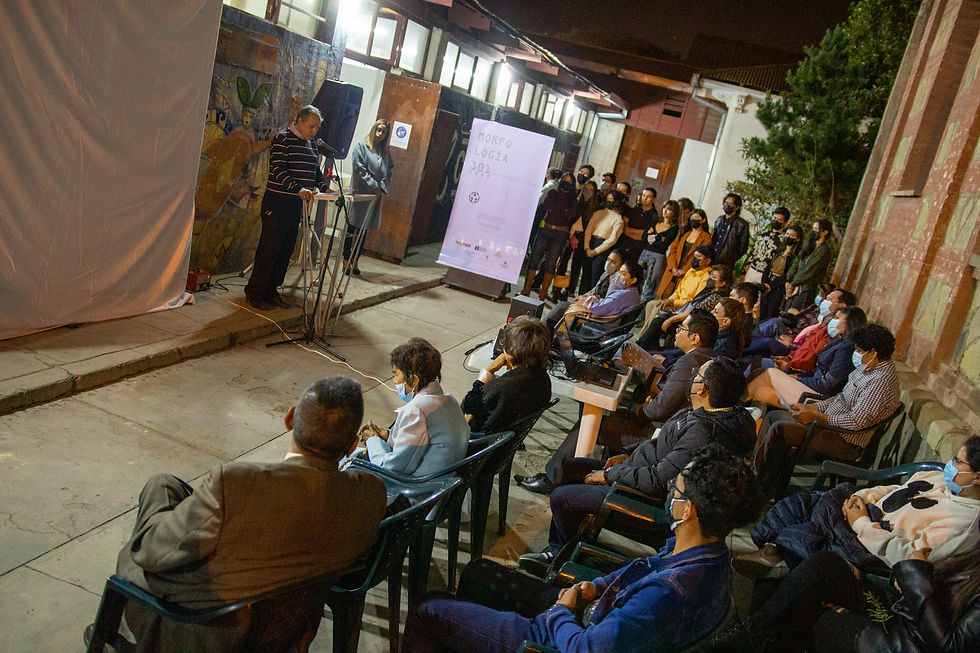
The Morphology course at the Faculty of Architecture, Universidad Privada Boliviana (UPB), is designed to cultivate this skill. It combines theoretical, methodological, and practical training to guide students in the exploration and creative proposition of space, form, and limits—together with their attributes in perception, visual, and spatial communication.

In architecture, morphology focuses on the study of form, structure, and organization of space across three dimensions:
Geometry and Typology – form and space
Physical Structure – form and force
Dynamics – form and time
The exhibition “Morphology 101: Between Materiality and Virtuality” showcases the progress, creativity, and resilience of UPB students and professors over the past seven years. It highlights projects developed during the unprecedented challenges of virtual learning in the COVID-19 pandemic, as well as during the return to in-person classes. Together, these works illustrate how morphology continues to bridge the tangible and the conceptual in architectural education.

Through its dual exploration of material and virtual realms, Morphology 101 not only reflects the adaptability of architectural education at UPB but also underscores the enduring relevance of morphology in shaping creative, critical, and context-aware designers. By bridging observation, experimentation, and innovation, the course continues to prepare future architects to engage thoughtfully with both natural and human-made environments, ensuring that design remains both responsive and visionary.

A Celebration of Progress and Innovation
The “Morphology 101: Between Materiality and Virtuality” exhibition transcends a mere showcase of student work; it celebrates significant progress, creativity, and resilience. It illustrates the ability of the UPB community to adapt and thrive against unprecedented obstacles.
Looking back over the past seven years, it is clear that both virtual learning and the transition back to in-person classes have shaped a new generation of designers and thinkers. The exhibition serves as a powerful reminder of creativity's role in overcoming challenges and the importance of collaboration in driving innovation.
As we reflect, the exhibition not only highlights the talent of UPB students and faculty but also inspires future generations to embrace both materiality and virtuality in their creative pursuits. The lessons learned during this time will undoubtedly influence the future landscape of design and education for years to come.


Comments